

Ihr Reiseerlebnis mit Peru Pro
Tag 1
Ankunft auf der Insel Baltra
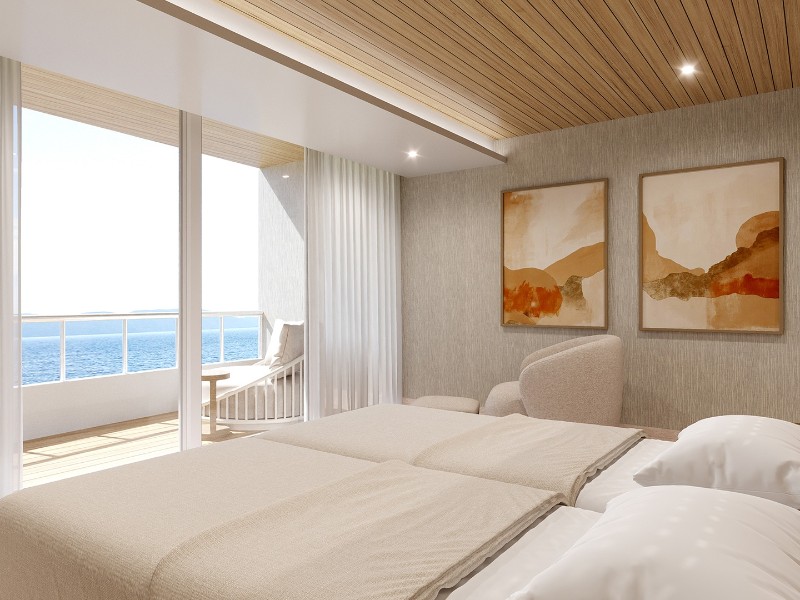
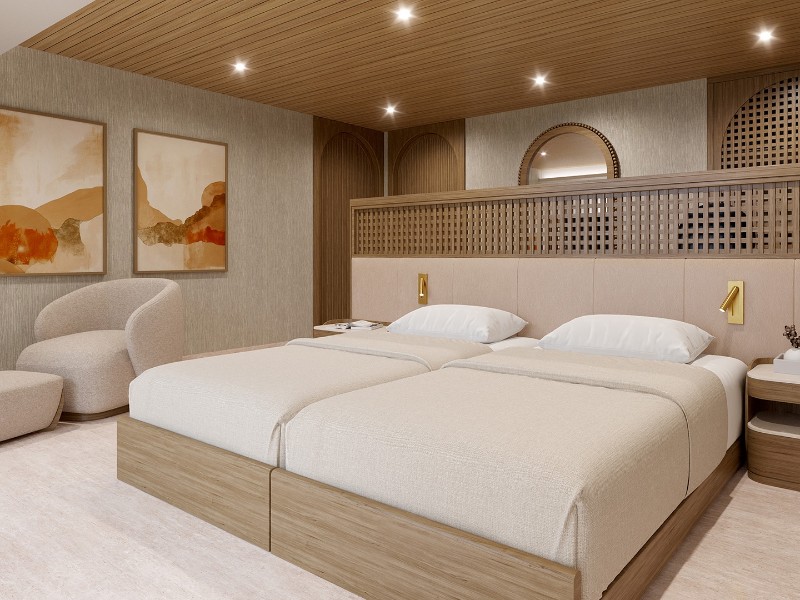
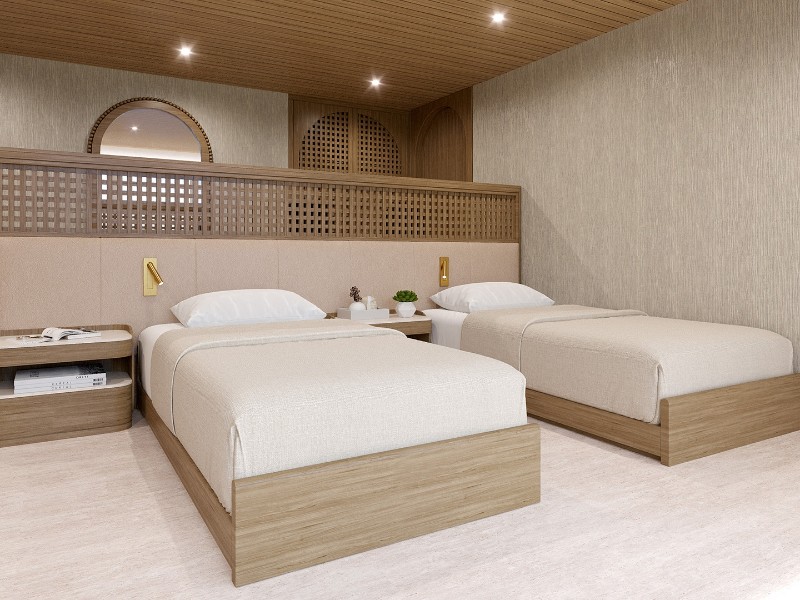
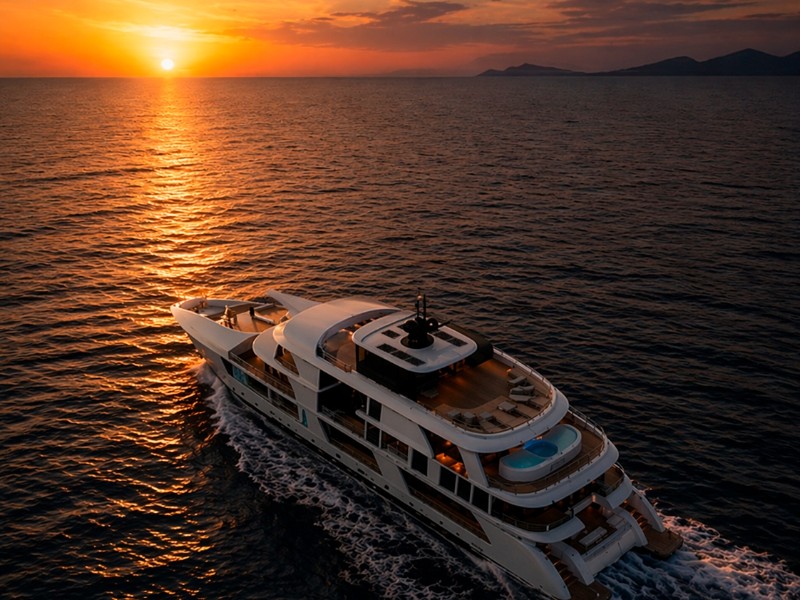
Sie werden morgens am Flughafen in Baltra eintreffen, wo Sie von der Crew empfangen werden. Ihr Reiseleiter begleitet Sie dann zum Schiff und Sie werden über die kommenden Tage informiert und können sich in den Kabinen einrichten.
Bachas Beach, Insel Santa Cruz
Nachmittags: Der blendend weiße Bachas Beach, der sich entlang der Küste der Insel Santas Cruz schlängelt, scheint voller Leben zu sein. Aber auch die türkisfarbene Bucht und die symmetrische Tuff-Kegel-Insel von Daphne Major ziehen die Blicke auf sich. Viel näher in Ihrem Blickfeld, in den Gezeitentümpeln zu Ihren Füßen, laufen die orange-roten Klippenkrabben auf dem dunklen Untergrund des Basaltfelsens umher. Nach ein wenig Fußweg erreichen Sie eine Lagune in den Dünen, die Heimat von verschiedenen Arten von Wat- und Küstenvögeln ist, einschließlich Schwarzhalsstelzen, Weißwangenspitzenten (oder Bahama-Enten) und Jagdreihern. Zugvögel, die im Winter auf Galapagos überwintern, wie zum Beispiel Regenbrachvögel, halten sich ebenfalls in dieser Lagune auf. Sobald der Wasserstand sinkt und die Lagune in der Trockenzeit salziger wird, könnten Sie sogar auf einige amerikanische Flamingos treffen, die unermüdlich dieses Wasser filtern, um nach Garnelen und Algen zu suchen. Die entlegene Nordwestküste auf der Hauptinsel Santa Cruz ist zum bevorzugten Nistplatz der pazifischen grünen Meeresschildkröten geworden. Weibchen warten nachts auf die Flut, bevor sie an Land kriechen, was eine weniger bemerkte und sicherere Art und vor allem weniger anstrengend ist.
Tag 2
El Barranco, Insel Genovesa
Vormittags: El Barranco, benannt nach dem Ehemann Prinz Philip von Queen Elizabeth II, verläuft diese natürliche Steinformation steil nach oben, zum höchsten Punkt der Klippe. Von dort aus, verläuft ein Pfand ins Innere der Insel. Genovesa ist bekannt für die Vielfalt an Vögeln, die hier leben und Sie werden nicht enttäuscht. Nach und schon während dem leicht rutschigen Anstieg sind Sie umzingelt von Blaufußtölpeln, Rotfußtölpeln, Maskentölpeln, kleinen Galapagos Eulen, Galapagos Tauben und noch viele weitere Küstenvögel. Neben Vögeln halten sich hier auch Seebären, Klippenkrabben, Meerechsen und Seelöwen auf. Und mit ein wenig Glück erspähen Sie auch einen Hammerhai im Wasser.
Darwin-Bay, Insel Genovesa
Nachmittags: Auf der Insel Genovesa liegt das Schiff in der Darwin Bay an, einem alten Vulkankrater, der jetzt vom Meer überflutet wird. Die Schlauchboote landen einem malerischen Sandstrand an, wo Galapagos Seelöwen oft auf dem feinen, weißen Sand sich ausruhen. Bei Erkundungen entlang der Küste können Sie zahlreiche Meeresleguane sehen, die wie prähistorische Dinosaurier in Miniatur aussehen. Auf einer kurzen Strecke landeinwärts begegnen Ihnen immer wieder Seevögel aller Arten und Größen. Dutzende junger Rotfußtölpel sitzen auf Zweigen in den Büschen am Wegesrand, nur eine Armeslänge entfernt. Achten Sie außerdem auf die großen Fregattvögel und gelb-gekrönten Nachtreiher entlang des Weges.
Tag 3
South Plaza Island
Vormittags: Durch eine geologische Hebung entstanden die kleinen Inseln Plazas, diese zwei kleinen Inseln liegen im Osten der Insel Santa Cruz. Die nördliche Plaza Insel ist für Besucher unzugänglich, jedoch bietet die südliche Plaza Insel einiges für den Vogel-Entdecker und Naturbewunderer. An der Nordküste der Insel Plaza Sur kann man trocken anlanden, während die Südküste eine 25 m hohe, unzugängliche Steilküste ist. Die Insel ist etwa 1,5 km lang und 500 m breit. Die Insel ist Heimat einer ansehnlichen Zahl von Riesenopuntien und einem Meer von Sesuvien. Beide Pflanzen sind endemisch auf den Inseln. Die Sesuvien mit ihren mandelförmigen Blättern sind in der Regenzeit von Dezember bis Mai grün und werde in der Trockenzeit dann zunächst gelb, später rot und violett und verleihen der Insel damit ein etwas unirdisches Aussehen. Am Landungssteg erwarten Sie die Seelöwen. Von dort aus wandern Sie zum Kliff. Auf dem Weg sehen Sie viele, stattliche Landleguane. Ein idealer Ort zum Bestaunen der Flugmanöver der Gabelschwanzmöwen und anderer Seevögel.
Insel Santa Fé
Nachmittags: Die 24 km² große und 60 Meter hohe Insel erreichen Sie nur mit einer Nasslandung und ist ein einzigartiger Ort in der Mitte des Archipels. Sie werden in einer unglaublichen Bucht auf die Insel kommen, gefüllt mit türkisfarbenem Wasser und umgeben von einem steinernen Riff. Die Insel ist Heimat für viele Landbewohner, wie einer der Landechsen-Arten des Archipels, Sie leben auf dieser Insel und ernähren sich von den Früchten und Blättern der Kakteen, die hier wachsen. Zudem lebt hier eine große Seelöwen-Kolonie und Galapagos Falken werden womöglich über Ihren Köpfen kreisen. Wenn Sie Interesse haben, können Sie hier auch schwimmen und schnorcheln, um die Unterwasserwelt etwas zu erkunden. Hier tummeln sich Meeresschildkröten, Seelöwen, Rochen und verschiedene tropische Fische im Wasser. Wer nicht ins Wasser möchte, kann am Ufer die Meerechsen, Galapagos Tauben oder Klippenkrabben beobachten.
Tag 4
Punta Pitt, Insel San Cristobal
Vormittags: Punta Pitt ist ein erodierter Vulkan, er ist einer der wenigen Orte auf Galapagos, an dem Sie die drei Arten von Tölpeln, die Blau- und Rotfußtölpel und die Nazca-Tölpel entdecken können. Der Ausflug in Punta Pitt ist auf felsigem Terrain, daher sollten Sie sich auf die zwei Stunden mit bequemen Schuhen vorbereiten, um Unannehmlichkeiten zu vermeiden und diese einzigartige Landschaft genießen zu können. Nach dem Wandern kann beim Schnorcheln eine erstaunliche Vielfalt an Fischen beobachten werden und mit etwas Glück zwischen Haien schnorcheln.
Hexenhügel, Insel San Cristobal
Nachmittags: Der weiße Strand der Bucht vor dem Hexenhügel (Witch Hill) ist einer der schönsten des Archipels. Der Hügel selbst ist der Überrest eines vulkanischen "Tuffsteinkegels" - aus verdichteter Vulkanasche und Schutt. Zudem ist es einer der ersten Orte, die Charles Darwin auf seiner Reise besuchte. Hier sehen Sie neben einer großen arten Vielfalt an Land auch so einiges unter der Wasseroberfläche. Während eines Spaziergangs können Sie alles aufnehmen, und Tiere wie Galapagso Seelöwen, Meerechsen, Pelikane und Blaufußtölpel sehen. Wenn Sie sich dazu entscheiden, sollten zu Schnorcheln, werden Sie auch hier nicht enttäuscht. Neben Galapagos Rochen, Meeresschildkröten und den verschiedensten tropischen Fischen können Sie hier auch verschiedene Korallen im Wasser entdecken. Und auch wenn Sie nicht ins Wasser gehen wollen, so können Sie durch das klare Wasser auch vom Schnellboot aus einer Vielzahl der Unterwasserbewohner entdecken.
Tag 5
Interpretation Center, Insel San Cristobal
Vormittags: Das Interpretationszentrum wurde 1998 im Zuge des “Interpretation and Environment Education"-Projekts eröffnet. In diesem Rahmen können Besucher verschiedene Ausstellungen über die Naturgeschichte, die Menschheitsgeschichte und den Naturschutz des Galapagos Archipels besuchen. Die Naturschutzausstellung schildert die mittels kontrollierten Tourismus sowie Geburtenkontrolle unternommenen Maßnahmen, die zum Schutz der wilden Tier- und Pflanzenarten eingeleitet wurden. Es erzählt darüber hinaus auch die Geschichte der ersten Siedler auf den Inseln. Das Interpretationszentrum verfügt außerdem über einen Außenbereich, audiovisuelle Medien sowie Konferenzräume. Es ist unweit vom Hafen entfernt und von dort gelangt man direkt auf den Weg zum Fregattvogelfelsen „Cerro Tijeretas“.
Kicker Rock – Lobos Island, Insel San Cristobal
Nachmittags: Der bekannte Kicker Rock ist eines der berühmtesten Merkmale der Galapagos Inseln. Diese kleine Inselform entstand aus zwei großen Lavafelsen, die vom Süden betrachtet wie ein schlafender Löwe aussehen. Daher der spanische Name "León Dormido" wortwörtlich der schlafende Löwe. Während Sie an Bord die Inseln umfahren werden, die Naturführer Ihnen die verschiedensten Vögel, die die Insel bewohnen, zweigen. Darunter befinden sich Nazca-Tölpel, Fregattvögel oder auch Schwalbenschwanzmöwen. Und wenn die Bedingungen es erlauben, werden Sie einen der großartigsten Sonnenuntergänge im Archipel erleben. Die kleine Insel Lobos, in der Nähe der Insel San Cristóbal beherbergt nicht nur eine Seelöwenkolonie, sondern auch ein Paar Fellrobben finden hier ihre Ruhe. Inmitten dieser großen Seebewohner finden sich zudem nistende Blaufußtölpel, die hier ihre Jungen großziehen. Es führen ein oder zwei Pfade zum Zentrum der Insel, an welchem man herrlich die Ruhe des Galapagos Archipels genießen kann. Es ist ein beliebter Ort für Besucher, um sich einfach der Natur und der Wunder der Inseln bewusst zu werden. Zurück am Strand bietet die Insel durch ihre Positionierung Nah der Insel San Cristóbal einen hervorragenden Ort zum Schnorcheln, um die Unterwasserwelt etwas zu bestaunen. Das Wasser ist klar und ruhiger als in anderen Gegenden des Archipels und bietet somit perfekte Bedingungen, um Seepferdchen und verschiedenste bunte Tropen Fische zu sehen.
Tag 6
Suarez Point, Insel Española
Vormittags: Trockene Landung. Eine geologisch interessante Insel, auf welcher Sie die Vulkanformationen und die vielseitige Fauna erkunden: große Seelöwen- und Seevögel Kolonien, einschließlich der Española-Spottdrossel, des Nazca-Tölpels und des spektakulären Rotschnabeltropikvogels. Weiterhin gibt es Meerechsen, Lavaechsen und die bunten Klippenkrabben. Nach einer recht langen Wanderung vorbei an Nazca- and Blaufußtölpeln erreichen Sie die Nistplätze, die manchmal mitten auf dem Pfad liegen. Weitere interessante Vögel sind die Galapagostaube, der Galapagos-Bussard, die Gabelschwanzmöwen und die weltgrößte Kolonie von Galapagos-Albatrossen, die nur hierherkommen, um zu brüten. Galapagos-Albatrosse schweben die meiste Zeit ihres Lebens weit draußen auf See und kommen nur an Land, um sich fortzupflanzen und um ihr riesiges Küken (März-Dezember) zu versorgen. Riesige Wellen treffen auf die südlichen Basaltklippen von Suarez Point. Sie kreieren ein spektakuläres Blasloch, in dem das Wasser meterhoch in die Luft sprüht (je nach Jahreszeit, der Flut und wie stark die Meeresbrise die Wellen reindrückt). Nehmen Sie sich Zeit für diese fantastische Aussicht und lassen Sie diesen unvergesslichen Moment in Ruhe auf sich wirken.
Bahía Gardner, Insel Española
Nachmittags: Der markante weiße Strand von Gardner Bay ist ein wichtiger Brutplatz für die pazifische grüne Meeresschildkröte. Aber zweifellos ist hier die große Galapagos Seelöwenkolonie die Hauptattraktion. Die Weibchen bleiben das ganze Jahr über in diesem "Kinderzimmer" und säugen ihre Jungen bis zu einem Alter von 3 Jahren, obwohl diese bereits nach 5 Monaten mit eigenständigen Fischen beginnen. Während der Brut- und Paarungszeit wird die Kolonie noch größer. Die stärksten Junggesellen und ältesten männlichen Tiere kehren von ihren abgelegenen Plätzen zurück und beginnen erneut, einen Teil des 1300 m langen Strandes für sich zu erobern und zu verteidigen.Da es keine Pfade gibt, bleiben Sie am Ufer und beobachten von dort aus die Galapagos-Bussarde, amerikanischen Austernfänger, Galapagos-Tauben, Spottdrosseln, Goldwaldsänger, Lavaechsen, Meerechsen und drei Darwinfinkenarten: den Geospiza conirostris, eine Unterart des großen Kaktusfinken, der dem großen Grundfinken ähnelt, den kleinen Grundfinken (Geospiza fuliginosa) und den Waldsängerfinken (Certhidea Olivacea), eine weitere endemische Art. Die an der östlichen Seite der Insel gelegene Gardner Bay ist der Brutplatz von nahezu allen der weltweit 12.000 Galapagos-Albatrosspärchen. Beim Schwimmen und Schnorcheln sehen wir die vielfältige Unterwasserwelt: kalifornischer Engelfisch, Neonfisch, Papageienfisch, Mantarochen und Weißspitzen-Riffhai.
Tag 7
Baroness Overlook – Post Office Bay, Insel Floreana
Vormittags: Nasse Landung. Diese Bucht an der Nordseite der Insel erhielt ihren Namen, weil im Jahr 1793 der Kapitän James Colnett dort eine Holztonne als informellen Briefkasten installierte. Er wurde von den vorbeifahrenden Seeleuten genutzt, die die Briefe dann an ihren Bestimmungsort brachten. Heute wird die Tradition von unseren Gästen weiter gepflegt. Unfrankierte Postkarten werden in die Tonne gelegt und sollen dann kostenlos zu ihrem Empfänger gelangen. Das kann Wochen, Monate und manchmal sogar Jahre dauern. Einige kommen nie an, andere sind schon vor Ihnen da. Zu sehen sind ebenfalls Darwinfinken, Goldwaldsänger und Lavaechsen. Ausgezeichnete Schnorchelmöglichkeiten mit grünen Pazifikschildkröten. Die Insel ist vor allem für die endemische Flora bekannt: Scalesia villosa, Lecocarpus pinnatifidus und Galapagos-Kreuzblumen. Schnorchelliebhaber können sich am Hauptstrand mit den spielenden Seelöwen vergnügen.
Cormorant Point – Champion-Insel, Insel Floreana
Nachmittags: Dies ist einer der besten Orte auf den Galapagos-Inseln, um Flamingos, neben anderen Wasservögeln zu beobachten, wie beispielsweise Spießenten (oder Bahama-Enten). Die salzige Lagune beherbergt eine Brutkolonie von Dutzenden dieser eleganten, exotischen, aber nervösen Watvögel. Doch wenn die Brutzeit abgeschlossen ist und die Lagune austrocknet, dann neigen die Flamingos dazu in Bewegung zu sein, um in anderen Salzseen nach Garnelen und Algen zu suchen. Die Halbinsel Cormorant Point bildet das Äußerste Nordkap von Floreana, Sie ist von zahlreichen kleineren Vulkankegel und von tropischen Trockenwäldern (vorwiegend von Palo-Santo-Bäumen) bedeckt. An Ihrem Anlandungsstelle am Strand werden Sie von einer kleinen Galapagos Seelöwen-Kolonie begrüßt. Der auffällige grüne Sand an diesem Strand enthält einen hohen Anteil an glasigen Olivinkristallen, die von den umliegenden Tuffkegeln ausgeblasen wurden. Der Sandstrand auf der Südseite der Halbinsel besteht aus noch feinerem weißen Korallensand, der sich an Ihren Füßen sehr angenehm weich und glatt anfühlt. In der Brandung kann man Stachelrochen-Schulen entdecken, die den sandigen Boden lieben, um sich darin zu verstecken. In den ersten Monaten des Jahres kommen die pazifischen grünen Meeresschildkröten an Land, um hier ihre Eier zu vergraben. Am nächsten Morgen können Sie eventuell ihre Spuren in den Dünen entdecken oder vielleicht noch einen erschöpften und verspäteten Nachzügler ins Meer zurück kriechen sehen. Sie kehren zum olivgrünen Strand zurück, um dort inmitten von Meeresschildkröten, Rifffischen, Seelöwen und, mit etwas Glück, Weißspitzen-Riffhaien zu schwimmen und schnorcheln. Auf Floreana gibt es auch eine kleine Pinguinkolonie, die sich manchmal beobachten lässt.
Tag 8
Hochland, Insel Santa Cruz
Vormittags: Als einzige Insel, die alle Vegetationszonen für Besucher zugänglich macht, ist sie ein großartiger Ort für einen kleinen Ausflug ins Hochland. Schon vom Strand aus werden Sie von einer großartigen Flora und Fauna begrüßt, die Ihnen bis auf den höchsten Punkt der Insel folgt. Die Busreise führt Sie entlang der Landwirtschaft der Insel und geht fließend über in die grünen, nebelbedeckten Wälder. Sie erleben hier einen starken Kontrast zu den anderen Inseln, welche weniger Höhe und mehr Trockenheit aufweisen. Besuchen Sie gemeinsam mit Ihrem Reiseleiter verschiedene Orte hier im Hochland, wie dem Riesenschildkröten-Reservat und den bekannten Lavaröhren. Freuen Sie sich auf eine atemberaubende Landschaft und einen kurzen Spaziergang mit unvergesslichen Phänomenen.
Abreise von der Insel Baltra
Nachmittags: Sie erreichen den Hafen von Baltra. Von dort aus fahren Sie entweder zum Flughafen und treten Ihren Rückflug zum Festland an oder Sie fahren mit Ihrem individuellen Galapagos-Programm fort.