

Ihr Reiseerlebnis mit Peru Pro
Tag 1
Ankunft auf der Insel Baltra
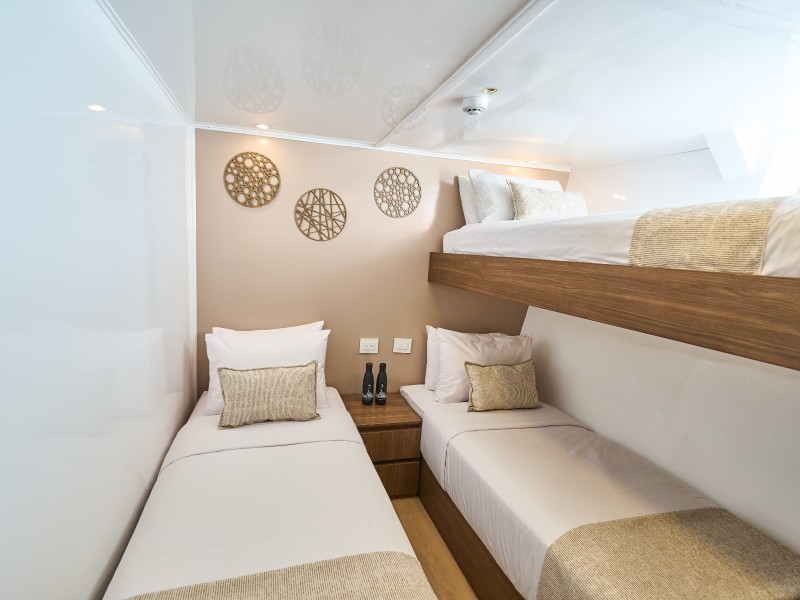
Sie werden morgens am Flughafen in Baltra eintreffen, wo Sie von der Crew empfangen werden. Ihr Reiseleiter begleitet Sie dann zum Schiff und Sie werden über die kommenden Tage informiert und können sich in den Kabinen einrichten.
Hochland, Insel Santa Cruz
Nachmittags: Als einzige Insel die alle Vegetationszonen für Besucher zugänglich macht, ist sie ein großartiger Ort für einen kleinen Ausflug ins Hochland. Schon vom Strand aus werden Sie von einer großartigen Flora und Fauna begrüßt, die Ihnen bis auf den höchsten Punkt der Insel folgt. Die Busreise führt Sie entlang der Landwirtschaft der Insel und geht fließend über in die grünen, nebelbedeckten Wälder. Sie erleben hier einen starken Kontrast zu den anderen Inseln, welche weniger Höhe und mehr Trockenheit aufweisen. Besuchen Sie gemeinsam mit Ihrem Reiseleiter verschiedene Orte hier im Hochland, wie dem Riesenschildkröten-Reservat und den bekannten Lavaröhren. Freuen Sie sich auf eine atemberaubende Landschaft und einen kurzen Spaziergang mit unvergesslichen Phänomenen.
Tag 2
Darwin Bay, Insel Genovesa
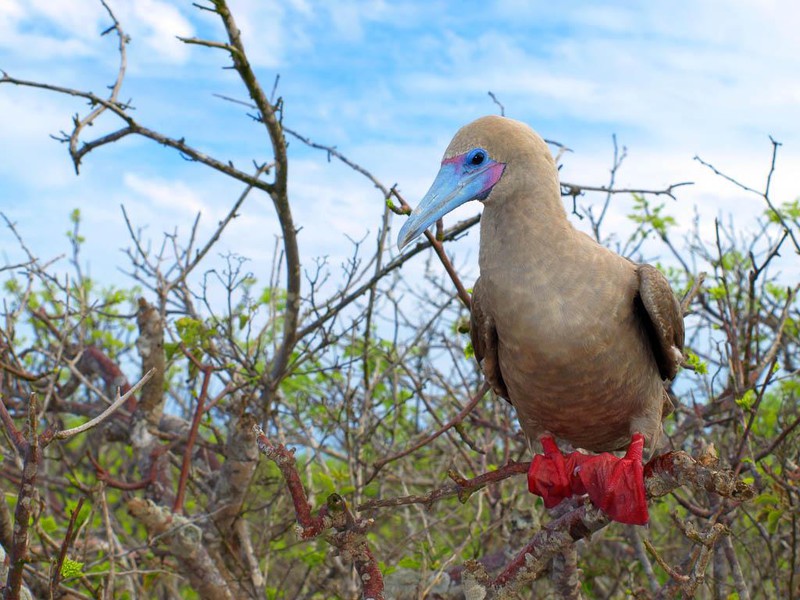
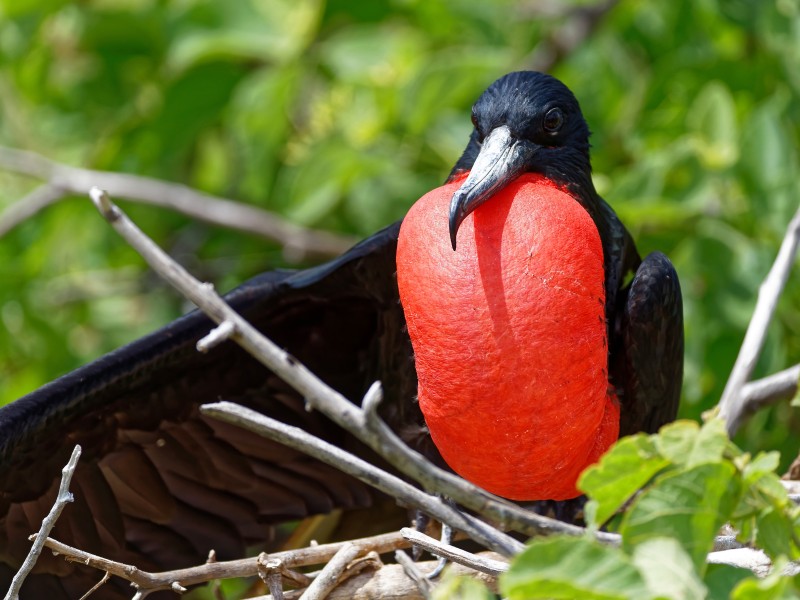
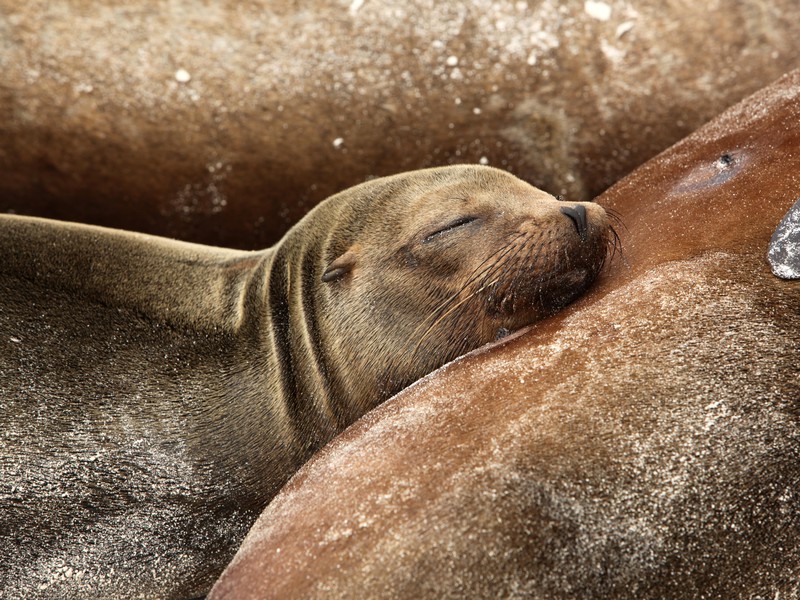
Vormittags: Auf der Insel Genovesa liegt das Schiff in der Darwin Bay an, einem alten Vulkankrater, der jetzt vom Meer überflutet wird. Die Schlauchboote landen einem malerischen Sandstrand an, wo Galapagos Seelöwen oft auf dem feinen, weißen Sand sich ausruhen. Bei Erkundungen entlang der Küste können Sie zahlreiche Meeresleguane sehen, die wie prähistorische Dinosaurier in Miniatur aussehen. Auf einer kurzen Strecke landeinwärts begegnen Ihnen immer wieder Seevögel aller Arten und Größen. Dutzende junger Rotfußtölpel sitzen auf Zweigen in den Büschen am Wegesrand, nur eine Armeslänge entfernt. Achten Sie außerdem auf die großen Fregattvögel und gelb-gekrönten Nachtreiher entlang des Weges.
Prince Phillips's Steps, Insel Genovesa
Nachmittags: El Barranco, benannt nach dem Ehemann Prinz Philip von Queen Elizabeth II, verläuft diese natürliche Steinformation steil nach oben, zum höchsten Punkt der Klippe. Von dort aus, verläuft ein Pfand ins Innere der Insel. Genovesa ist bekannt für die Vielfalt an Vögeln, die hier leben und Sie werden nicht enttäuscht. Nach und schon während des leicht rutschigen Anstiegs sind Sie umzingelt von Blaufußtölpeln, Rotfußtölpeln, Maskentölpeln, kleinen Galapagos Eulen, Galapagos Tauben und noch vielen weiteren Küstenvögeln. Neben Vögeln halten sich hier auch Seebären, Klippenkrabben, Meerechsen und Seelöwen auf. Und mit ein wenig Glück erspähen Sie auch einen Hammerhai im Wasser.
Tag 3
Insel Bartolomé
Vormittags: Als eines der beliebtesten Ausflugsziele für Besucher der Galapagos Inseln ist Bartolomé bekannt für seinen Doppelstrand. Das beliebte Fotomotiv kann von einer Plattform, die über einen Pfad vom Strand aus zu erreichen ist, bestaunt werden. Der Pfad führt knapp einen Kilometer mit vielen errichteten Holzstufen nach oben, doch seien Sie versichert, dass sich der Anstieg lohnt. Von hier aus haben Sie nicht nur einen großartigen Blick auf den Doppelstrand, sondern auch auf den Pinnacle Rock, der 120 Meter spitz zulaufend in die Höhe ragt. Zudem können Sie von hier Sullivan Bay, die kleine Insel Daphne Major und Daphne Minor erblicken. Beobachten Sie auf Ihrem Rückweg die verschiedenen Felsenformationen, die von der Lava geformt wurden, wie Tuffsteinkegel oder verschiedenes Gestein.
Bowditch Point, Insel Santa Cruz
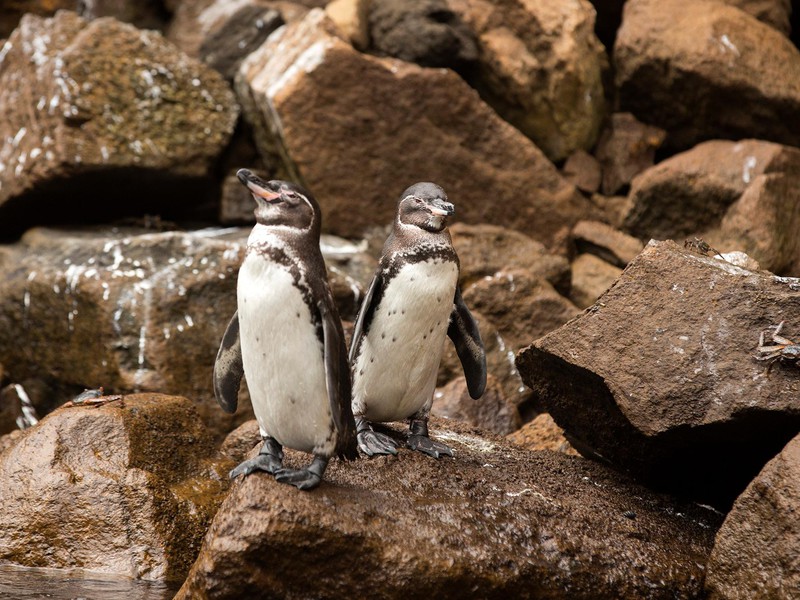
Nachmittags: Als eines der beliebtesten Ausflugsziele für Besucher der Galapagos Inseln ist Bartolomé bekannt für seinen Doppelstrand. Das beliebte Fotomotiv kann von einer Plattform, die über einen Pfad vom Strand aus zu erreichen ist, bestaunt werden. Der Pfad führt knapp einen Kilometer mit vielen errichteten Holzstufen nach oben, doch seien Sie versichert, dass sich der Anstieg lohnt. Von hier aus haben Sie nicht nur einen großartigen Blick auf den Doppelstrand, sondern auch auf den Pinnacle Rock, der 120 Meter spitz zulaufend in die Höhe ragt. Zudem können Sie von hier Sullivan Bay, die kleine Insel Daphne Major und Daphne Minor erblicken. Beobachten Sie auf Ihrem Rückweg die verschiedenen Felsenformationen, die von der Lava geformt wurden, wie Tuffsteinkegel oder verschiedenes Gestein. Die Insel ist außerdem ein gutes Beispiel dafür, wie sich die Umwelt an ihre Umstände anpasst. Achten Sie auf die Pflanzen, die hier wachsen, sie mögen so aussehen, als hätten sie keine Blätter, doch beim genaueren Hinsehen erkennt man kleine weiße Härchen, die das Licht reflektieren, damit die Pflanze Wasser speichern kann. Am Strand haben Sie dann die Möglichkeit in Unterwasserhöhlen zu Schnorcheln und auf Haie, Rochen und tropische Fische zu treffen. Mit etwas Glück schwimmt vielleicht auch der ein oder andere Pinguin vorbei.
Tag 4
Las Bachas Beach, Insel Santa Cruz
Vormittags: Der blendend weiße Bachas Beach, der sich entlang der Küste der Insel Santas Cruz schlängelt, scheint voller Leben zu sein. Aber auch die türkisfarbene Bucht und die symmetrische Tuff-Kegel-Insel von Daphne Major ziehen die Blicke auf sich. Viel näher in Ihrem Blickfeld, in den Gezeitentümpeln zu Ihren Füßen, laufen die orange-roten Klippenkrabben auf dem dunklen Untergrund des Basaltfelsens umher. Nach ein wenig Fußweg erreichen Sie eine Lagune in den Dünen, die Heimat von verschiedenen Arten von Wat- und Küstenvögeln ist, einschließlich Schwarzhalsstelzen, Weißwangenspitzenten (oder Bahama-Enten) und Jagdreihern. Zugvögel, die im Winter auf Galapagos überwintern, wie zum Beispiel Regenbrachvögel, halten sich ebenfalls in dieser Lagune auf. Sobald der Wasserstand sinkt und die Lagune in der Trockenzeit salziger wird, könnten Sie sogar auf einige amerikanische Flamingos treffen, die unermüdlich dieses Wasser filtern, um nach Garnelen und Algen zu suchen. Die entlegene Nordwestküste auf der Hauptinsel Santa Cruz ist zum bevorzugten Nistplatz der pazifischen grünen Meeresschildkröten geworden. Weibchen warten nachts auf die Flut, bevor sie an Land kriechen, was eine weniger bemerkte und sicherere Art und vor allem weniger anstrengend ist.
Abreise von der Insel Baltra
Sie erreichen den Hafen von Baltra. Von dort aus fahren Sie entweder zum Flughafen und treten Ihren Rückflug zum Festland an oder Sie fahren mit Ihrem individuellen Galapagos-Programm fort.